
Factsheet Key Indicators Sports and Physical Activity
This page provides an overview of the key indicators for Sports and Physical Activity, including the latest figures and trends. More information and additional data for each key indicator can be found on the website www.sportenbewegenincijfers.nl/kernindicatoren.
Latest update: 11 June, 2026
| Definition | Latest figures | Reference year (source) | Trend (period) | |
|---|---|---|---|---|
| Physical activity guidelines | The proportion of the Dutch population aged 4 years and older meeting the physical activity guidelines | 47% | 2025, new data expected in 2027 (1) | Increasing (2022-2025) |
| Weekly sports participation | The proportion of the Dutch population aged 4 years and older playing sports at least once a week | 58% | 2025, new data expected in 2027 (1) | Increasing (2022-2025) |
| Sedentary Behavior | Number of hours Dutch people aged 4 years and older sit on an average day | 9,2 hours | 2025, new data expected in 2028 (2) | Increasing (2015-2025) |
| Inactivity | The proportion of the population aged 4 years and older not meeting the physical activity guidelines and practices less than 30 minutes per week of sports, walking and/or cycling Adults are considered ‘inactive’ when engaging in less than 30 minutes per week of at least light-intensity physical activity (MET ≥1.6). Children are considered ‘inactive’ when they engage in less than 30 minutes per day of at least light-intensity physical activity | 1,7% | 2025, new data expected in 2027 (1) | Decreasing (2016-2025) |
| Definition | Latest figures | Reference year (source) | Trend (period) | |
|---|---|---|---|---|
| Physical Education | The number of minutes scheduled for physical education per school week in primary education (PO) | PO: year 1-2: 109 min, year 3-8: 92 min | 2024, new data expected in 2029 (3) | Stable (2013-2024) |
| The total number of actual minutes of physical education provided in secondary education (VO) per school week | VO: year 1: 152 min, 4e leerjaar: 95 min, year 6: 63 min | 2022, new data expected in 2026 (4) | Stable (2014-2022) | |
Minutes of physical education in:
| SBO year 1-2: 94 min, year 3-8: 97 min, year 1-2: 88 min SO year 3-8: 92 min PRO year 1: 146 min, year 4: 77 min VSO year 1: 96 min, year 4: 86 min | 2023, new data expected in 2027 (5) | - | |
| Motor skills | The average score of motor skills for children | Not yet available | Not yet available | - |
– = no data available yet/further steps required
| Definition | Latest figures | Reference year (source) | Trend (period) | |
|---|---|---|---|---|
| International Medal Ranking | Position of the Netherlands in the international medal ranking, Olympic sports | 2nd position | 2026, new data expected in 2027 (6) | Consistently in the top 10 since 2014 |
| Position of the Netherlands in the international medal ranking, Paralympic sports | 10th position | 2026, new data expected in 2027 (6) | Consistently in the top 10 since 2020 | |
| Elite sports environment | The proportion of elite athletes rating their elite sports environment as more than sufficient (score of 7 or higher) | 84% | 2024, new data expected in 2027 (7) | - |
– = no data available yet/further steps required
| Definition | Latest figures | Reference year (source) | Trend (period) | |
|---|---|---|---|---|
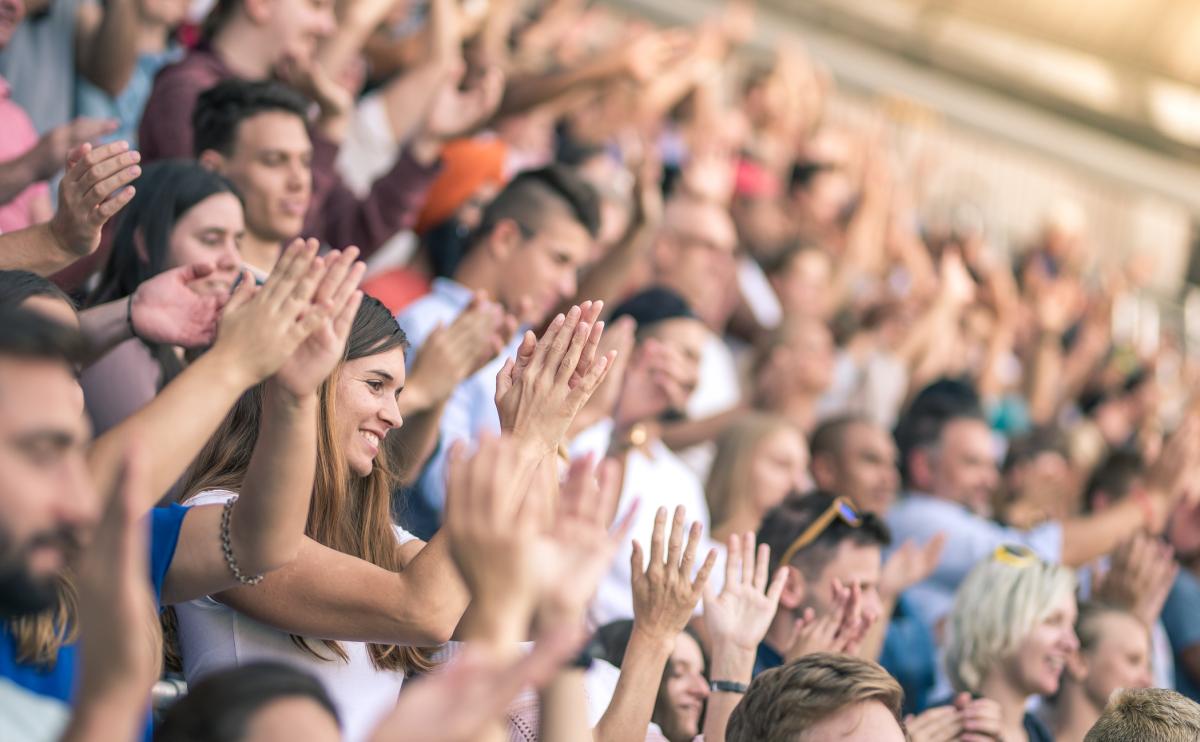
| Sports fan - attendance | The proportion of the population aged 12 years and older attending sports matches and/or sporting events monthly | 17% | 2024, new data expected in 2027 (8) | Decreasing (2018-2024) |
| Sports fan - media | The proportion of the population aged 6 years and older following sports weekly via media | 56% | 2024, new data expected in 2027 (8) | Stable (2012-2024) |
| Definition | Latest figures | Reference year (source) | Trend (period) | |
|---|---|---|---|---|
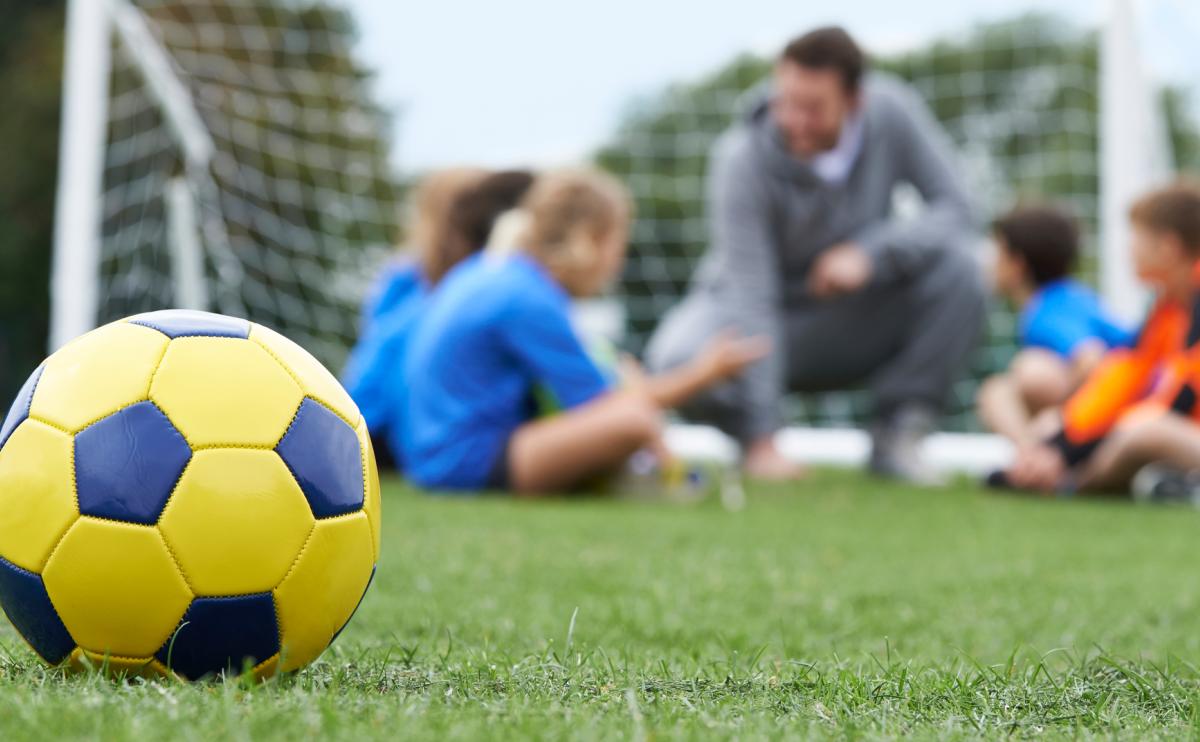
| Gross Domestic Product (GDP) Sport | The contribution of sports to the Dutch economy, expressed as a share of gross domestic product (GDP) | 1,1% | 2022, new data expected in 2028 (9) | Stable (2006-2022) |
| Definition | Latest figures | Reference year (source) | Trend (period) | |
|---|---|---|---|---|
| Volunteers | The proportion of the population aged 12 years and older active as sports volunteers at least monthly | 9% | 2024, new data expected in 2027 (8) | Stable (2016-2024) |
| Employment | Employment in the sports economy, expressed in FTEs (full-time equivalents) and the contribution to total employment in the Netherlands | 130.000 FTE | 2022, new data expected in 2028 (9) | Increasing (2006-2022) |
| Definition | Latest figures | Reference year (source) | Trend (period) | |
|---|---|---|---|---|
| Organizational capacity | The proportion of sports providers with sufficient organizational capacity | Not yet available | Not yet available | - |
| Good governance | The proportion of sports providers with boards of at least minimal or sufficient quality | Not yet available | Not yet available | - |
– = no data available yet/further steps required
| Definition | Latest figures | Reference year (source) | Trend (period) | |
|---|---|---|---|---|
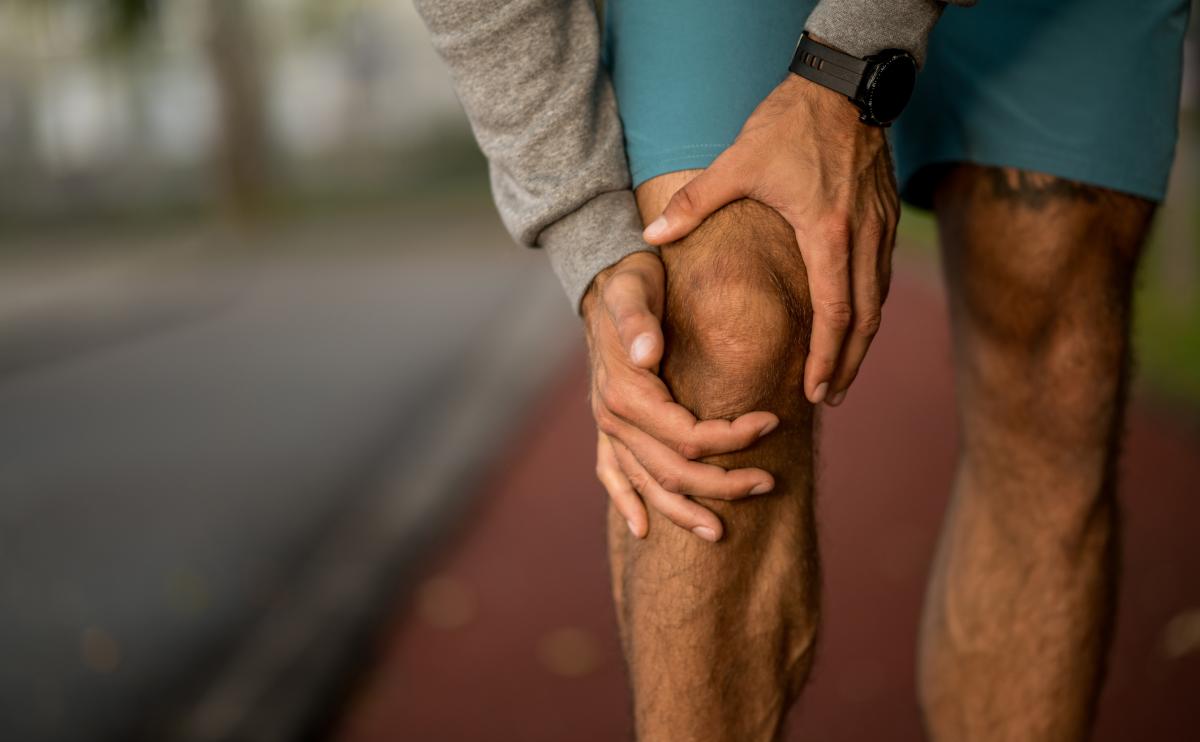
| Injury risk | The number of injuries per 1,000 hours of sports participation among the population aged 4 years and older | 2.4 per 1,000 hours of sports participation | 2025, new data expected in 2027 (1) | Stable (2022-2025) |
| The proportion of weekly sports participants aged 4 years and older reported having a sports injury in the past 3 months | 11% | 2025, new data expected in 2027 (1) | Stable (2022-2025) |
| Definition | Latest figures | Reference year (source) | Trend (period) | |
|---|---|---|---|---|
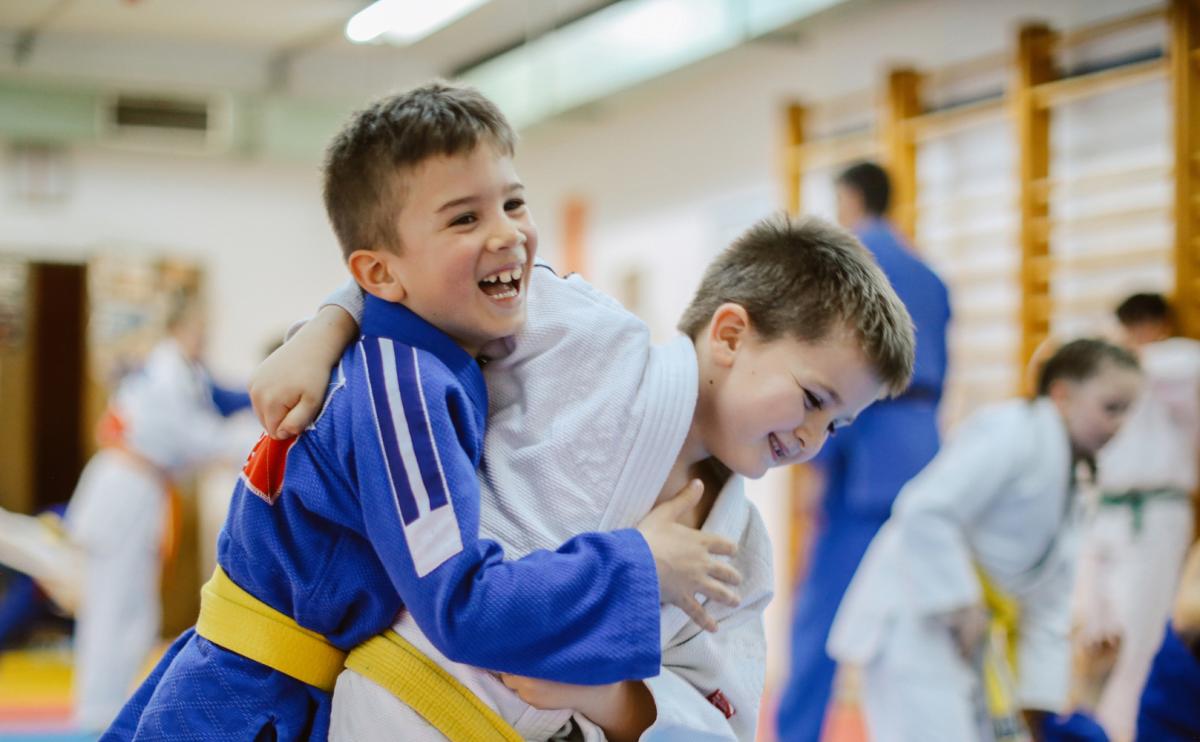
| Club membership | Member sports club: the proportion of the population aged 4 years and older who are a member of a sports club | 25% | 2025, new data expected in 2027 (1) | Stable (2016-2025) |
| Subscription sports provider: the proportion of the population aged 4 and older with a subscription to participate in sports, for example at a fitness center or swimming pool | 25% | 2025, new data expected in 2027 (1) | Stable (2016-2025) | |
| Satisfaction with sports and physical activity services | The proportion of the population aged 12 years and older who are satisfied with the sports and physical activity services in their area | 84% | 2024, new data expected in 2027 (8) | Stable (2018-2024) |
| Definition | Latest figures | Reference year (source) | Trend (period) | |
|---|---|---|---|---|
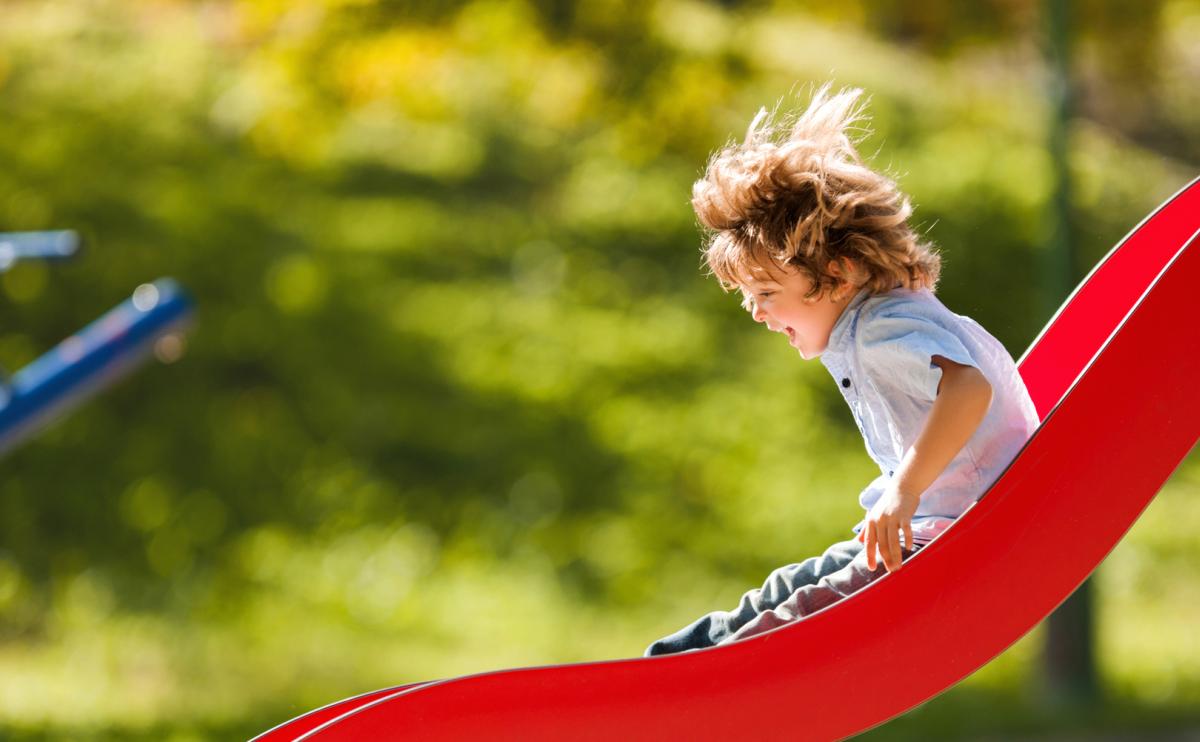
| Physical activity-friendly environment | The score of public space on the possibilities for people to engage in sports and physical activity* | 68 (scale 0–100) | 2024, new data expected in 2026 (10) | - |
| Sports facilities | Density of sports facilities per 10,000 inhabitants | 21.7 per 10,000 inhabitants | 2023, new data expected in 2025 (11) | - |
* The score is composed of 4 elements: sports facilities, sports and playgrounds, recreational green and blue spaces, and proximity to amenities. – = no data available yet/further steps required
| Definition | Latest figures | Reference year (source) | Trend (period) | |
|---|---|---|---|---|
| Safe sports climate – feeling safe | The proportion of monthly sports participants and/or event attendees aged 12 years and older who usually feel safe at and around sports events | 83% | 2024, new data expected in 2027 (8) | Increasing (2012-2024) |
| Safe sports climate – misconduct | The proportion of monthly sports participants and/or event attendees aged 12 years and older who have experienced or witnessed misconduct in sports in the past 12 months | 30% | 2024, new data expected in 2027 (8) | Stable (2018-2024) |
| Performance-enhancing substances | The proportion of weekly sports participants aged 15 years and older who report having used performance-enhancing substances in the past year^ | 0.8% | 2024, new data expected in 2027 (12) | Stable (2016-2024) |
^ This includes both doping substances (e.g. anabolic steroids and EPO) and sports supplements (e.g. supplements containing creatine or protein). – = no data available yet/further steps required
| Definition | Latest figures | Reference year (source) | Trend (period) | |
|---|---|---|---|---|
| Inclusion | The extent to which sports and physical activity are accessible to everyone (exact definition to be determined) | Not yet available | Not yet available | - |
| Diversity | The extent to which the composition of athletes and/or people meeting the Physical Activity Guidelines reflects the diversity of society (exact definition to be determined). | Not yet available | Not yet available | - |
– = no data available yet/further steps required
Data sources
- Health Survey/Lifestyle Monitor (Statistics Netherlands (CBS) and National Institute for Public Health and the Environment (RIVM))
- Additional module Physical activity and accidents/Lifestyle Monitor (National Institute for Public Health and the Environment (RIVM), Dutch Consumer Safety Institute (VeiligheidNL) and Statistics Netherlands (CBS))
- Monitor physical education and sports in primary education (Mulier Institute)
- Monitor physical education and sports in secondary education (Mulier Institute)
- Monitor physical education and sports in special education and practical education (Mulier Institute)
- Gracenote/NOC*NSF (NOC*NSF)
- Monitor Elite Sports in the Netherlands (TiN) (Mulier Institute)
- Vrijetijdsomnibus (VTO) (Mulier Institute)
- Sports Satellite Account (Statistics Netherlands (CBS))
- Combination of several sources (Mulier Institute)
- Dutch Sport Facility Database (DSA) (Mulier Institute)
- Additional module Substance use/Lifestyle Monitor (Trimbos Institute, National Institute for Public Health and the Environment (RIVM) and Statistics Netherlands (CBS))